Hindi
 Chinese (Simplified)
 Chinese (Traditional)
 Afrikaans
 Albanian
 Amharic
 Arabic
 Armenian
 Azerbaijani
 Basque
 Belarusian
 Bengali
 Bosnian
 Bulgarian
 Croatian
 Czech
 Danish
 Dutch
 Estonian
 Filipino
 Finnish
 French
 Georgian
 German
 Greek
 Haitian Creole
 Hebrew
 Hungarian
 Icelandic
 Indonesian
 Irish
 Italian
 Japanese
 Kazakh
 Khmer
 Korean
 Kurdish
 Kyrgyz
 Lao
 Latin
 Latvian
 Lithuanian
 Luxembourgish
 Macedonian
 Malagasy
 Malay
 Maltese
 Maori
 Mongolian
 Burmese
 Nepali
 Norwegian
 Pashto
 Persian
 Polish
 Portuguese
 Romanian
 Russian
 Samoan
 Serbian
 Sesotho
 Shona
 Sindhi
 Sinhala
 Slovak
 Slovenian
 Somali
 Swahili
 Swedish
 Tajik
 Thai
 Turkish
 Ukrainian
 Uzbek
 Vietnamese
 Welsh
 Yoruba

GSM Voice Terminal: Smart Business Communication Solutions
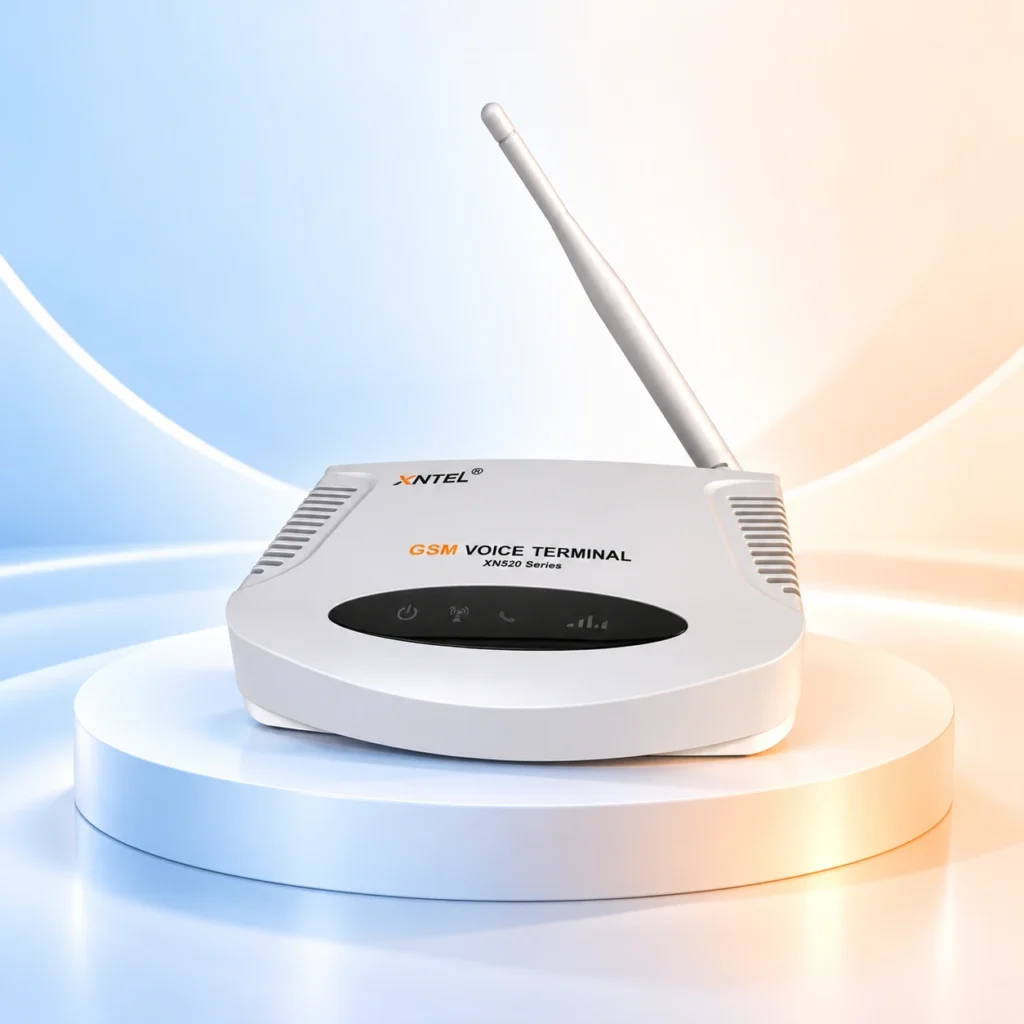
AEGIS | XNTEL™ • Telecom Solutions GSM Voice Terminal: Smarter Connectivity for Modern Businesses Connect business communication systems with compatible cellular networks through AEGIS XNTEL GSM Voice Terminal solutions. Explore reliable SIM-based calling, flexible connectivity and advanced features on supported models. Explore GSM Solutions Request a Consultation Introduction Why Modern Businesses Need Flexible Communication Solutions Business communication depends on accessible, reliable calling infrastructure. A GSM Voice Terminal helps compatible telephone equipment communicate through supported mobile networks. Organizations use telephone systems to manage customer enquiries, coordinate operations, connect branch offices and deliver services. Traditional fixed-line connectivity may not be suitable for every deployment. AEGIS | XNTEL™ GSM Voice Terminal solutions offer SIM-based connectivity options for compatible telephones, PBX systems and other supported telecommunications equipment. Technology Explained What Is a GSM Voice Terminal? A GSM Voice Terminal, also called a Fixed Wireless Terminal or Fixed Cellular Terminal, is a device designed to connect compatible telephone equipment with a supported cellular voice network. Depending on its interfaces, the terminal can connect to an analog telephone or PBX/EPABX, allowing calls to be made or received using a suitable SIM card. The AEGIS XNTEL range includes multiple configurations for different network technologies, port capacities and operational requirements. Business Benefits Key Advantages of GSM Voice Terminal 01 SIM-Based Calling Enable compatible telephone devices to use a supported cellular voice connection. 02 PBX Integration Selected terminals support connections with compatible PBX and EPABX equipment. 03 Flexible Deployment Consider cellular connectivity for offices, branch locations and temporary workspaces. 04 Multiple Model Options Choose a configuration based on network, port count and installation needs. 05 Call Management Advanced variants may offer call recording, click-to-call and other management features. 06 Operational Convenience Integrate supported calling functions within a business communication workflow. Connectivity Workflow How Does a GSM Voice Terminal Work? STEP 01 Insert SIM Install a supported SIM card according to the device instructions. STEP 02 Connect Device Connect compatible telephone or PBX equipment using supported interfaces. STEP 03 Configure Configure calling, network and other available settings for the selected model. STEP 04 Start Calling Make or receive calls through the configured cellular network connection. Advanced Communication Features More Than Basic Cellular Calling Selected AEGIS XNTEL Advance and Turbo configurations offer additional functions to support business communication. Auto Dialer Support configured outbound calling workflows where available. Voice Broadcasting Deliver prerecorded voice messages through supported campaign features. Call Recording Capture conversations with recording capabilities on supported models. Click-to-Call Initiate calls from a supported software interface. IVR Call Routing Route callers through configured menu options when supported. Welcome Messages Introduce automated greetings into supported calling workflows. Features depend on model, firmware, software and deployment configuration. AEGIS XNTEL Product Range Explore GSM Voice Terminal Models AEGIS XNTEL offers several GSM Voice Terminal configurations to match different connectivity and business requirements. 2G GSM Voice Terminal Explore cellular voice connectivity for environments with suitable supported network availability. 4G GSM Voice Terminal Explore compatible 4G and VoLTE calling solutions. 4-Port 4G Terminal Explore multi-port cellular communication configurations. 8-Port 4G Terminal Consider higher-port configurations for suitable communication workloads. GSM Advance Explore additional calling and workflow functions on Advance models. GSM Turbo Explore advanced call management, auto dialer and broadcasting capabilities where supported. Additional variants include WhatsApp Integration and IVR System offerings. Confirm the exact specifications before purchase. View GSM Voice Terminal Range Industry Applications Where GSM Voice Terminals Can Be Used Call Centers Support compatible voice connectivity and selected outbound calling workflows. Banking & Finance Support business telephone communication and configured call management needs. Insurance Help teams coordinate customer communication and supported campaigns. Travel & Hospitality Support customer enquiries, booking communications and service coordination. Corporate Offices Add suitable cellular voice connectivity to compatible systems. Branch Locations Explore communication options for distributed business operations. Buying Guide How to Choose the Right GSM Voice Terminal Start by evaluating your current telephone infrastructure, expected call traffic, cellular network availability and desired business calling features. Important Selection Factors 2G, 4G and VoLTE network compatibility Number and type of supported ports PBX and telephone compatibility Required call recording functions Auto Dialer and IVR requirements Installation and power requirements Software and support availability Selecting a device with compatible interfaces and appropriate functionality helps create a more practical communication setup. Always verify specifications with the AEGIS XNTEL team. Frequently Asked Questions GSM Voice Terminal FAQs What is a GSM Voice Terminal? A GSM Voice Terminal connects compatible telephone equipment to supported cellular voice networks using a suitable SIM card. Can a GSM Voice Terminal connect to a PBX? Selected models support compatible PBX and EPABX connections. The required interface depends on the equipment. Does a GSM Voice Terminal support 4G? AEGIS XNTEL offers 4G models. Check model-specific VoLTE support and operator compatibility. Is call recording available? Call recording is available on selected models or compatible configurations. Verify the feature before purchase. What is the difference between Advance and Turbo? Both are feature-oriented product ranges. Exact calling functions, software capabilities and interfaces depend on the chosen model. Which GSM Voice Terminal is suitable for business? The suitable model depends on network coverage, telephone compatibility, port count and required calling features. Conclusion Build a More Connected Business A GSM Voice Terminal can be a valuable part of a business communication system when the available cellular network, telephone equipment and device interfaces are compatible. With options ranging from basic connectivity to advanced call management, AEGIS | XNTEL™ offers solutions for different deployment requirements. Explore the available models and choose a suitable configuration for your business communication environment. AEGIS | XNTEL™ Ready to Upgrade Your Business Calling? Discover GSM Voice Terminal solutions designed for modern business communication. Explore GSM Solutions Contact Our Team Empowering Communication. Transforming Business.