Hindi
 Chinese (Simplified)
 Chinese (Traditional)
 Afrikaans
 Albanian
 Amharic
 Arabic
 Armenian
 Azerbaijani
 Basque
 Belarusian
 Bengali
 Bosnian
 Bulgarian
 Croatian
 Czech
 Danish
 Dutch
 Estonian
 Filipino
 Finnish
 French
 Georgian
 German
 Greek
 Haitian Creole
 Hebrew
 Hungarian
 Icelandic
 Indonesian
 Irish
 Italian
 Japanese
 Kazakh
 Khmer
 Korean
 Kurdish
 Kyrgyz
 Lao
 Latin
 Latvian
 Lithuanian
 Luxembourgish
 Macedonian
 Malagasy
 Malay
 Maltese
 Maori
 Mongolian
 Burmese
 Nepali
 Norwegian
 Pashto
 Persian
 Polish
 Portuguese
 Romanian
 Russian
 Samoan
 Serbian
 Sesotho
 Shona
 Sindhi
 Sinhala
 Slovak
 Slovenian
 Somali
 Swahili
 Swedish
 Tajik
 Thai
 Turkish
 Ukrainian
 Uzbek
 Vietnamese
 Welsh
 Yoruba

GSM Voice Terminal
Connect cellular networks with compatible telephone systems using reliable GSM Voice Terminal solutions from Aegis Informatics. Designed for business communication, these solutions support SIM-based voice connectivity with compatible telephones, PBX/EPABX systems, and other telephony equipment.
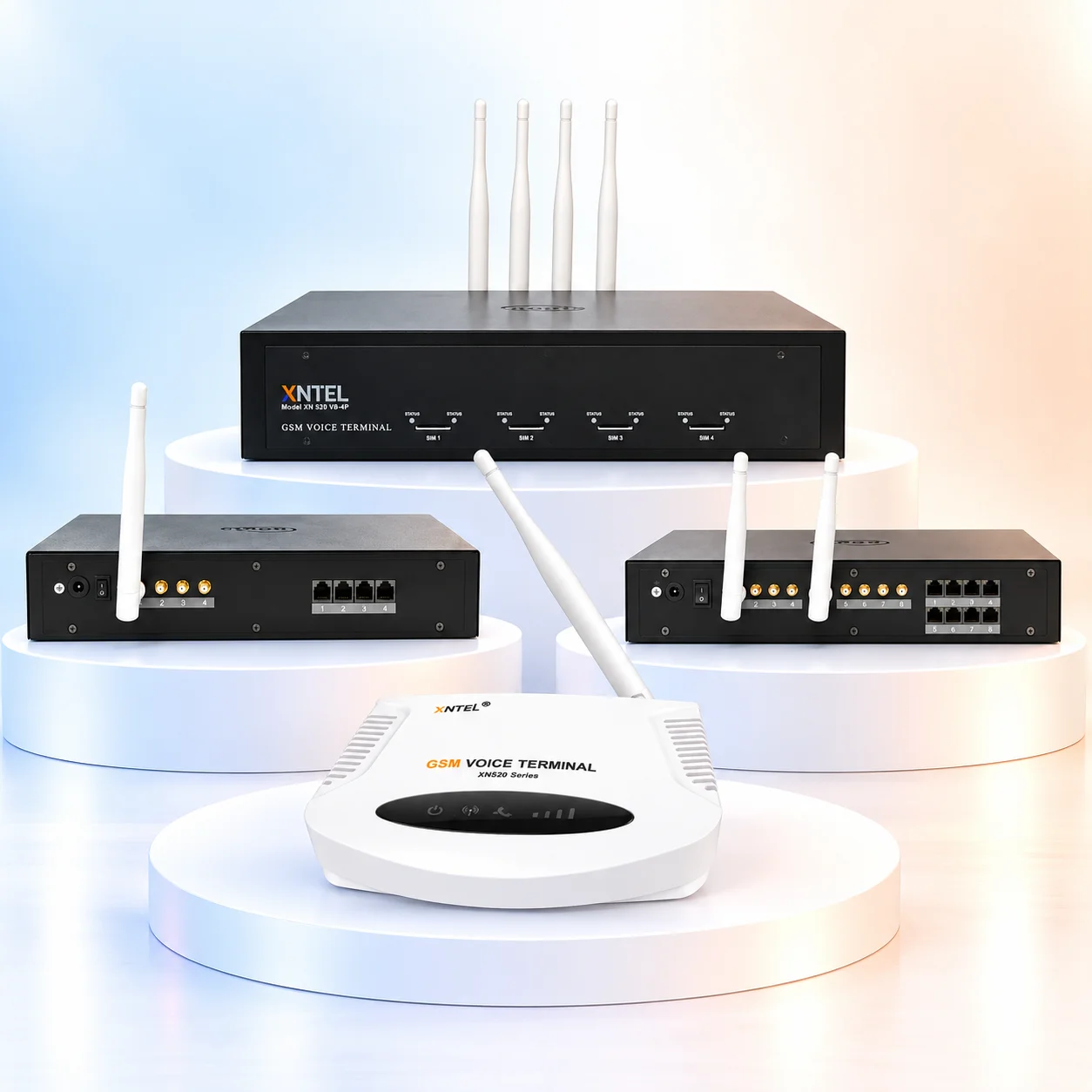
What is a GSM Voice Terminal?
A GSM Voice Terminal, also known as a Fixed Wireless Terminal (FWT), is a telecommunications device that enables compatible telephone equipment to make and receive calls over a GSM mobile network. Depending on the model, it can connect to an analog telephone, a PBX or EPABX system, or other supported communication equipment through the available interfaces.
The Aegis XNTEL GSM Voice Terminal range includes options for different business communication requirements. It can be considered for offices, branch locations, temporary project sites, and remote workplaces where GSM-based calling is suitable. Before choosing a model, check its network compatibility, ports, power requirements, and supported calling features.
Key Features of GSM Voice Terminal
Explore the core capabilities available across the Aegis XNTEL GSM Voice Terminal range. Specific interfaces and functions depend on the selected model.
GSM Network Connectivity
Connect compatible telephone equipment to a supported cellular network using a suitable SIM card and a compatible terminal.
PBX / EPABX Integration
Selected models can connect with compatible PBX or EPABX systems to support cellular calling within an existing telephone setup.
Telephone Line Interface
Depending on the model, available interfaces can support compatible analog telephone instruments or other supported telephony equipment.
SIM-Based Voice Calling
Use a compatible SIM and supported mobile network to place or receive calls through the connected telephone equipment.
Flexible Model Options
Choose from available terminal options based on network technology, port configuration, installation needs, and system compatibility.
Model-Specific Call Features
Features such as caller ID, battery backup, call recording, or advanced call management may be available on selected models or compatible systems.
Explore All Models & Series
Click any model below to access technical specifications, wiring configurations, and direct inquiries.
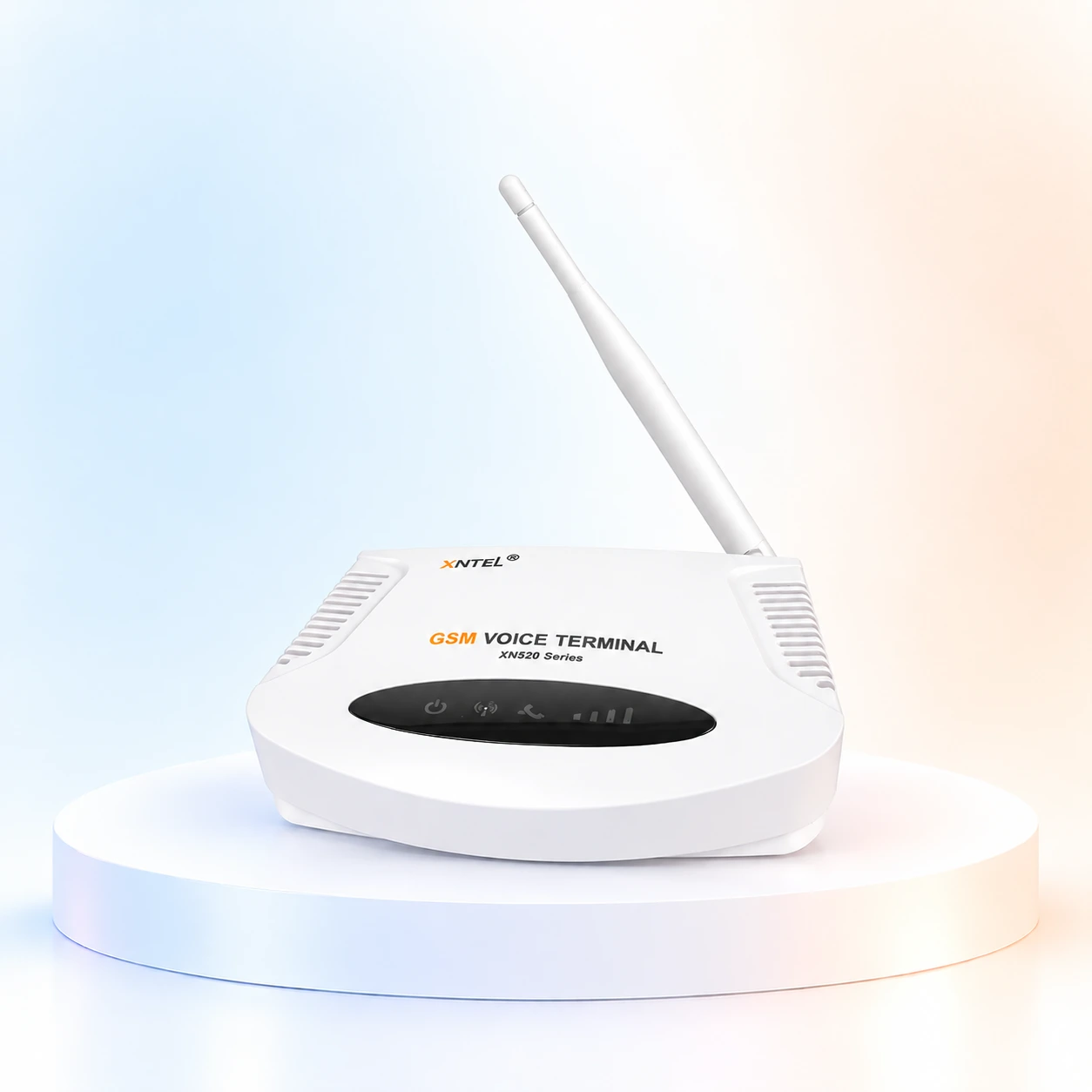
2G GSM Voice Terminal
VIEW DETAILS →4G GSM Voice Terminal
VIEW DETAILS →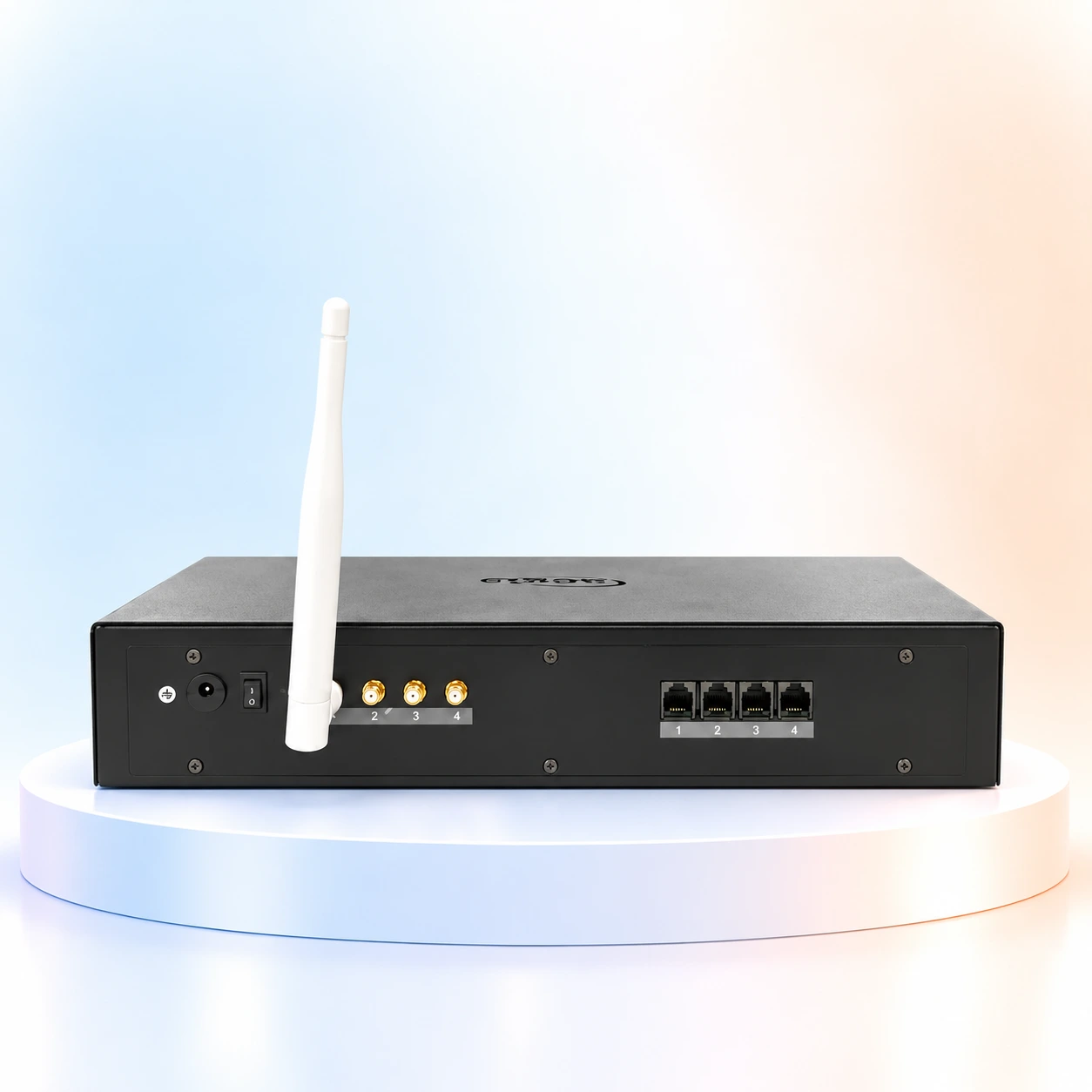
4 Port 4G GSM Voice Terminal
VIEW DETAILS →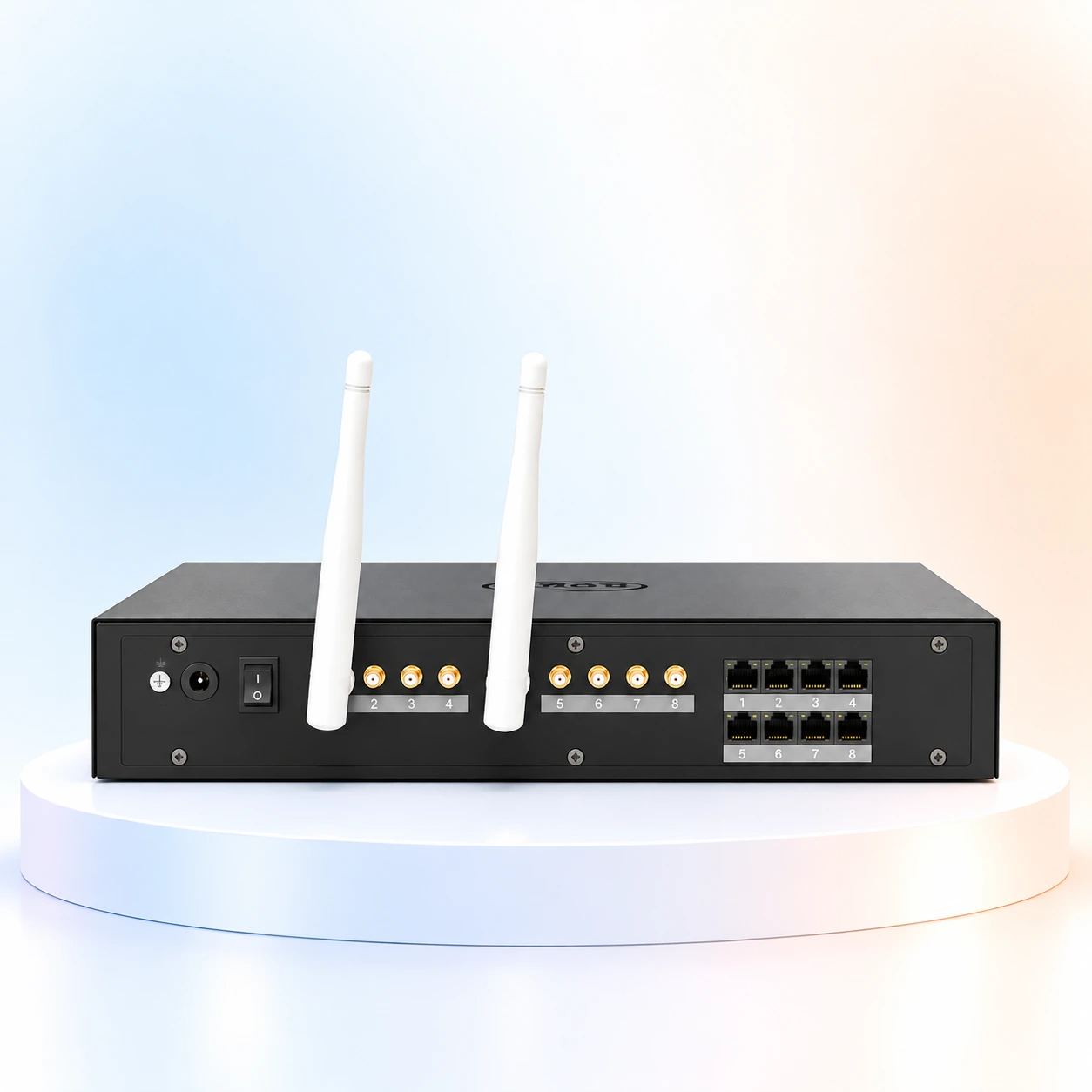
8 Port 4G GSM Voice Terminal
VIEW DETAILS →Advance
VIEW DETAILS →Advance with WhatsApp Integration
VIEW DETAILS →Turbo
VIEW DETAILS →Turbo with WhatsApp Integration
VIEW DETAILS →IVR System
VIEW DETAILS →GSM Auto Dialer
VIEW DETAILS →Key Features and Benefits of a GSM Voice Terminal
The Aegis GSM Voice Terminal range is designed for organisations that need to connect compatible telephone equipment with a GSM mobile network. Available features vary by model, so review the relevant product specifications before selecting a device for your setup.
GSM Connectivity and Telephone Integration
A GSM Voice Terminal can provide a connection between a mobile network and supported telephone equipment. Depending on its interfaces, a terminal may work with an analog telephone or a compatible PBX/EPABX system. This can help businesses use GSM connectivity within an existing telephone setup. Always confirm network bands, SIM compatibility, port type, and PBX requirements for the model you intend to use.
Call Management for Business Communication
Business teams may need tools to organise customer calls, follow-ups, and service conversations. Selected models or compatible systems may support features such as call recording, click-to-call, speed dialling, voice broadcasting, or automated dialling. These functions can help streamline routine calling tasks when they are supported by the specific product and configured correctly.
Use Across Different Business Environments
GSM Voice Terminals may be suitable for offices, branch locations, customer service teams, travel businesses, financial services, and remote workplaces that require GSM-based voice communication. The right solution depends on the expected call volume, the number of required connections, network availability, and the equipment already in use.
How to Choose the Right GSM Voice Terminal
Before choosing a GSM Voice Terminal, consider whether you need 2G or 4G connectivity, how many ports are required, whether the device must connect to a PBX, and which calling features are essential. Also check the local mobile operator's network support, power requirements, antenna placement, and any software or licensing requirements. Comparing these details with the product datasheet helps ensure that the selected model matches your communication needs.
Explore Aegis GSM Voice Terminal Models
The Aegis product range includes different GSM Voice Terminal options for different deployment needs. Review the individual model pages for confirmed technical specifications, interface details, and supported functions. If you are unsure which model is suitable, contact Aegis Informatics with your network, port, and application requirements for guidance.
How Does a GSM Voice Terminal Work & Why Is It Essential for Modern Businesses?
A GSM Voice Terminal acts as an interface between a supported cellular network and compatible telephone equipment. When a compatible SIM is installed and the device is configured correctly, it registers with the mobile operator's network and enables calling through the interfaces provided by that model. Network technology, port type, and feature support vary by product.
Core Technical Working Mechanism
For an outbound call, the terminal processes dialling input from a compatible connected telephone and places the call over the supported cellular network. For incoming calls, the device signals the connected equipment according to its supported interface and configuration. Caller ID, polarity reversal, call-duration monitoring, and integration with external recording systems should be confirmed in the specifications of the selected model.
Why Enterprise Organizations Rely on GSM Voice Terminals:
-
01
Bypassing Copper Line Deprecation: Telecom operators worldwide are actively phasing out traditional landline copper cables. GSM terminals allow organizations to maintain their existing multi-line phone infrastructure and desk handsets without costly rewiring.
-
02
Substantial Telephony Cost Savings (Least-Cost Routing): Corporate PBX switchboards can route outgoing cellular calls directly through mobile SIM networks using corporate CUG (Closed User Group) calling plans, dramatically lowering monthly phone bills.
-
03
Elevator & Emergency Telephony Compliance: Modern building safety regulations require dependable, fail-safe communication lines inside lift cabins. GSM terminals with integrated Li-ion backup batteries guarantee critical emergency lines remain functional during complete electrical power blackouts.
-
04
Immediate Deployment for Remote & Temporary Sites: Construction offices, mining outposts, security cabins, and mobile field units can establish dedicated enterprise-grade phone extensions within minutes, completely eliminating waiting periods for wired telecom trenching.
-
05
Smart Automation, IVR & Multi-Channel Engagement: Advanced hybrid terminals feature interactive voice response (IVR), automated broadcast dialing, and API-driven WhatsApp integrations, delivering an end-to-end multi-channel communication gateway from a compact hardware unit.
Whether you require a single-line 4G VoLTE desk solution or high-density 4-port and 8-port multi-SIM rackmount gateways, GSM voice terminals deliver rock-solid reliability, carrier flexibility, and unmatched voice clarity for enterprise communication workflows.